5 days, 4 nights
Honeymoon4.8(12)
4 Nights 5 Days Andaman Honeymoon Tour Package
Port BlairHavelock
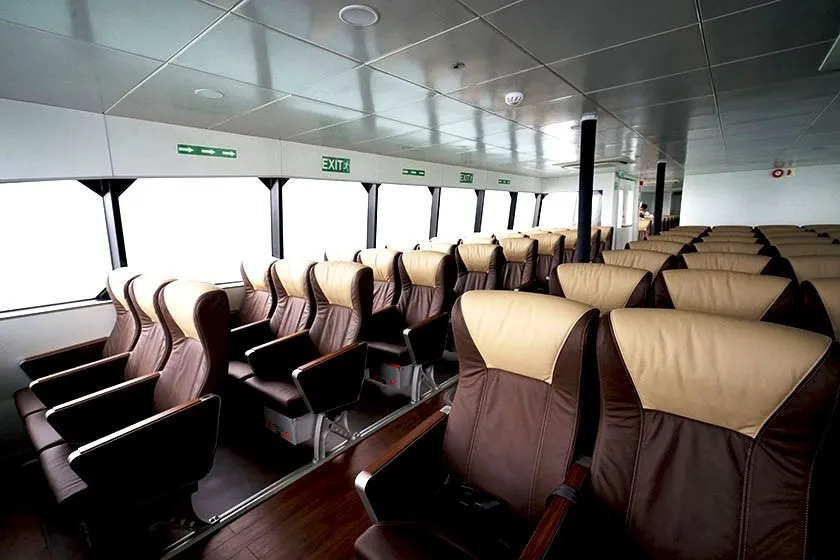
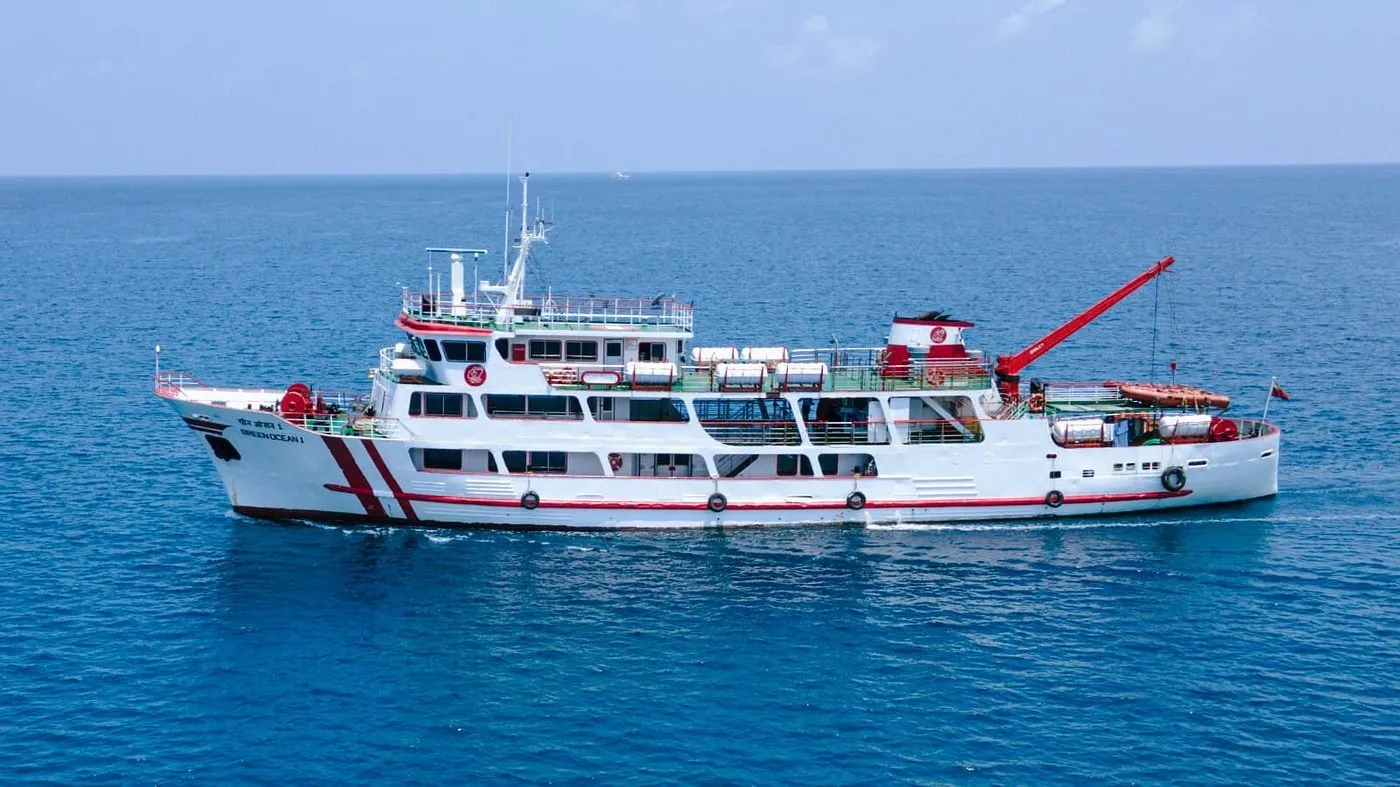
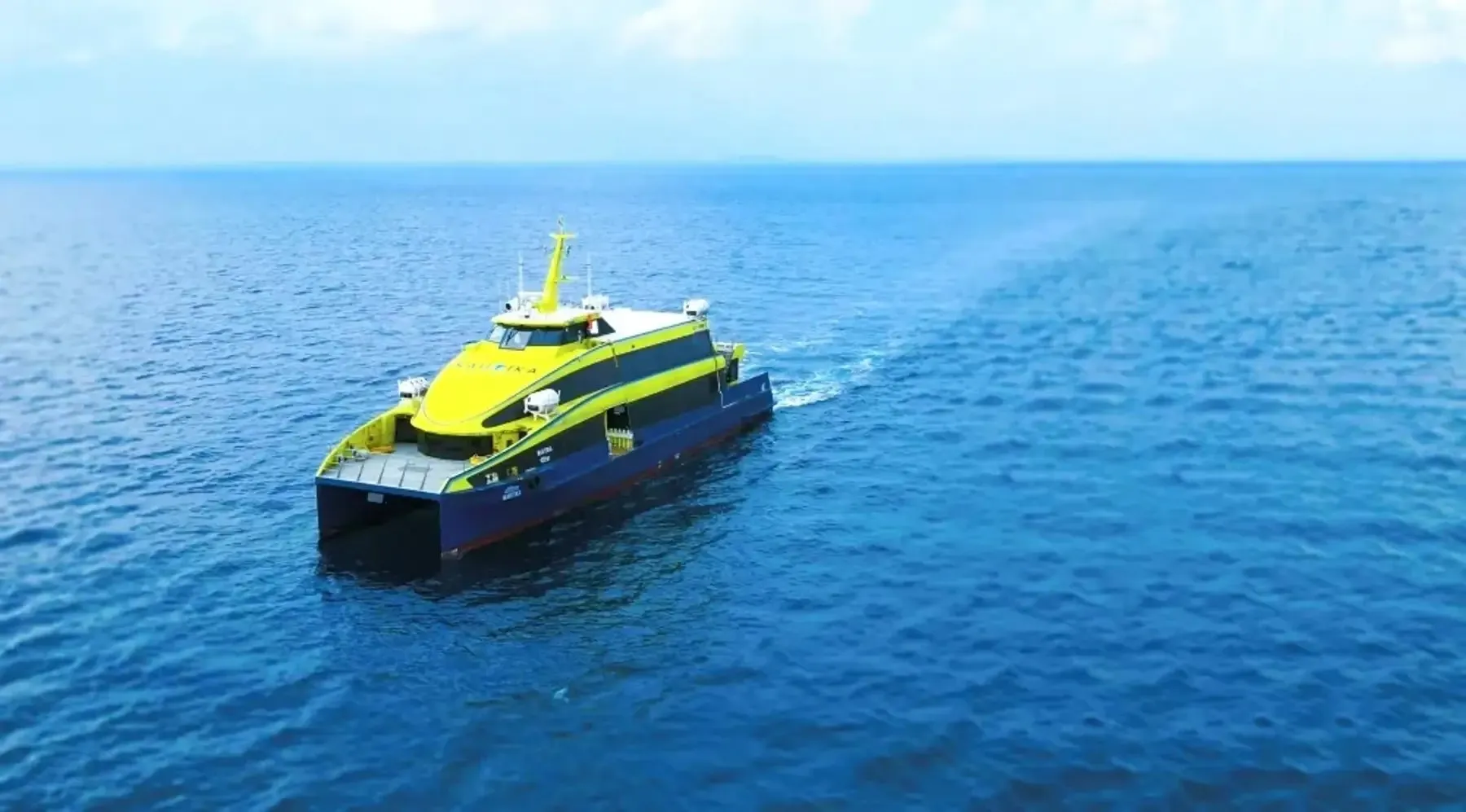
- Ferry across to Havelock (Swaraj Dweep)
Starting from
₹25,000
starting price, single occupancy
Learn about hazards and risk factors in the Andaman trip including sea safety, ferry travel risks, weather conditions, health tips, and precautions for a safe Andaman vacation.
Planning a picture-perfect trip to the Andaman Islands is a dream for many travellers. With turquoise waters, coral reefs, lush greenery, and peaceful beaches, Andaman feels like paradise. But, just like any tropical or island destination, it’s important to be aware of hazards in the Andaman trip and take proper precautions. Understanding possible risk factors in Andaman travel ensures travellers enjoy a safe, fun, and stress-free vacation.
This detailed Andaman trip safety guide covers everything - from sea safety in Andaman, ferry risks, and beach safety, to health concerns, sun protection, and wildlife awareness. You’ll also find a practical checklist to help you prepare well before your journey. Whether you’re a solo traveller, a honeymoon couple, or a family vacationer, these Andaman travel safety tips will guide you through every step of your trip.
The Andaman Islands lie in the Bay of Bengal, far from the Indian mainland. While the region is peaceful and extremely beautiful, its location and natural setting naturally come with exposure to weather changes, strong sea tides, limited medical access in remote areas, and occasional wildlife concerns.
By staying informed and alert, most of these risks can be easily managed. Let’s explore each one in detail and find out safe travel tips for Andaman visitors to stay secure throughout the journey.
Strong Currents and Waves
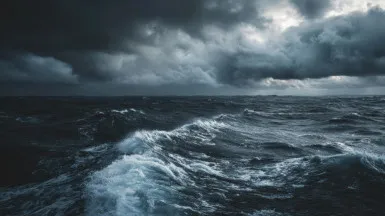
The Andaman Sea looks calm but can have strong undercurrents and sudden wave patterns, especially near rocky areas. Ignoring warning flags or swimming too far can lead to danger.
Snorkelling and Diving Safety
Andaman’s underwater life is mesmerizing. However, beginners often underestimate currents near coral reefs and may panic underwater.
Jellyfish and Marine Life
While rare, jellyfish stings or contact with corals can cause minor irritation or allergic reactions.
Sudden Rain and Cyclonic Conditions
The Andaman Islands face tropical weather, especially from May to September. Cyclones and heavy rain can affect ferry schedules, flight timings, and beach access.
Visibility and Water Sports Interruptions
During rough weather, underwater visibility drops, making diving or snorkelling less enjoyable and riskier.
Travelling between islands like Port Blair, Havelock (Swaraj Dweep), and Neil (Shaheed Dweep) mostly involves ferries or speedboats. Though generally safe, accidental slips, overcrowding, or weather-triggered delays can occur.
The Andaman Islands are home to exotic flora and fauna, both on land and underwater. While wildlife sightings are exciting, uninformed behaviour may invite trouble.
Marine Awareness
Touching corals, feeding fish, or chasing turtles damages the ecosystem and sometimes provokes marine species.
Land Wildlife
Certain remote beaches and forest walks may have monitor lizards or wild pigs. Though they rarely attack, keeping a safe distance is wise.
Strong Sun and Dehydration
The tropical sun in Andaman can be harsh, especially at noon. Prolonged exposure can cause sunburn or heat exhaustion.
Beach Hazards
Broken coral pieces, glass, or shells can injure bare feet.
Common Travel Illnesses
Upset stomach or mild dehydration can happen if hygiene is ignored. Tap water in remote areas might not be safe for drinking.
Emergency and Medical Care
Island hospitals are available in Port Blair, but smaller islands may have limited facilities.
Protecting Andaman’s delicate ecosystem is an important part of responsible tourism. Plastics, sunscreen chemicals, and careless littering damage corals and marine life.
Quick Reference: Andaman Trip Safety Checklist
| Risk Type | Possible Hazard | Prevention / Safety Tip |
| Sea Activity | Equipment failure | Use certified instructors |
| Weather | Sudden rain, cyclones | Check forecasts before tours |
| Ferry Ride | Rough sea, delays | Wear life jackets, book reputable ferries |
| Wildlife | Marine stings or bites | Avoid touching or feeding animals |
| Health | Dehydration, sunburn | Stay hydrated, use sunscreen |
| Food/Water | Stomach upset | Drink packaged water |
| Beach Walking | Sharp corals | Wear beach sandals |
| Remote Areas | Limited medical aid | Keep first aid handy |
| Environment | Pollution | Avoid plastic use |
Apart from physical safety, respecting local customs ensures a pleasant trip. The Andamans are culturally sensitive, with some tribal areas strictly off-limits to tourists.
Following these things to avoid in Andaman ensures a safe and respectful travel experience for everyone.
Book accommodations and ferry tickets through trusted platforms like Andaman Bliss.
These Andaman travel precautions help reduce unexpected stress during your trip.
Andaman Bliss offers reliable and well-organized local travel guidance for tourists. From safety arrangements to weather updates and guided tours, the platform ensures travellers experience the best of Andaman securely and comfortably. Using a trusted partner like Andaman Bliss saves time, adds local insight, and enhances your overall travel safety.
Q1: What is the most dangerous month to visit Andaman?
The peak monsoon months of June to August pose maximum risks due to heavy rains, rough seas, and frequent ferry cancellations.
Q2: Are shark attacks common in Andaman waters?
Shark attacks are extremely rare. No fatal attacks have been recorded in recent years, though basic ocean safety precautions remain important.
Q3: Can I swim at any beach in Andaman?
No, some beaches have dangerous currents or rocky areas. Always check local conditions and swim only at beaches deemed safe by authorities.
Q4: What should I do if I am stung by a jellyfish?
Rinse with seawater (not freshwater), remove tentacles with tweezers, apply heat or vinegar, and seek immediate medical attention for severe stings.
Q5: Is travel insurance necessary for Andaman trips?
Yes, travel insurance is highly recommended due to limited medical facilities and potential evacuation needs for serious emergencies.
Q6: How can I avoid seasickness on ferries?
Take anti-nausea medication before boarding, sit in well-ventilated areas, focus on the horizon, and avoid heavy meals before travel.
Q7: Are vaccinations required for Andaman travel?
No specific vaccinations are mandatory, but hepatitis A, typhoid, and routine vaccinations are recommended by health authorities.
Q8: What emergency numbers should I save?
Save 100 (police), 101 (fire), 108 (ambulance), and 1093 (coastal security). Keep these accessible offline.
Q9: Can I drink tap water in Andaman?
Stick to bottled water only. Tap water may cause stomach issues for visitors not accustomed to local water sources.
Q10: How do I identify dangerous rip currents?
Look for channels of churning, choppy water, discoloured water moving away from shore, or gaps in incoming wave patterns.
Planning a trip to the Andaman Islands becomes much easier when you understand potential risks and prepare accordingly. These safe travel tips for Andaman help you enjoy paradise while staying protected from common hazards.
Ready to explore the Andaman Islands with confidence? Visit Andaman Bliss for comprehensive travel resources, safety updates, and expert guidance that ensures your island adventure remains memorable for all the right reasons. Our platform connects you with verified local experts who prioritize your safety while showing you the best these incredible islands offer.
Co-founder & Director
Pravin Kumar is part of the Andaman Bliss island team — Director.
40 articles by this authorReady-made Andaman itineraries that cover the places in this guide.
5 days, 4 nightsPort BlairHavelock
Starting from
₹25,000
starting price, single occupancy
 5 days, 4 nights
Port BlairHavelockNeil Island
Price on request
 6 days, 5 nights
Port BlairHavelockNeil Island
Price on request
 4 days, 3 nights
Port BlairHavelock
Starting from
₹12,000
starting price, single occupancy