History of the Andaman and Nicobar Islands: From Past to Present
The Andaman and Nicobar Islands are among the most enchanting places in India. Their beauty, culture, and history make them a destination that fascinates travellers, historians, and explorers alike. To truly appreciate their charm, one must look beyond the crystal clear waters and scenic beaches to explore their deep and diverse past. This detailed look at the history of the Andaman and Nicobar Islands takes you through the ancient period, colonial times, and the modern era, helping you understand how these islands have evolved into the paradise they are today.
Ancient Roots of the Andaman and Nicobar Islands
The story of the Andaman Islands and Nicobar Islands begins thousands of years ago. Archaeological studies indicate that these islands were inhabited by indigenous tribes long before recorded history. The Great Andamanese, Onge, Jarawa, and Sentinelese are among the original inhabitants who still preserve their ancient cultures. These tribes have lived in isolation, maintaining their traditions, languages, and lifestyles independent of the mainland influence.
Ancient travellers from Indonesia, Myanmar, and India mentioned these islands in their records. Some believe that the name Andaman is derived from “Handuman,” referring to the Hindu deity Hanuman. Similarly, the name Nicobar means “land of the naked people,” reflecting the early descriptions by travellers and traders.
The strategic location of the islands in the Bay of Bengal made them a stopover for trade routes connecting Southeast Asia and the Indian subcontinent. Merchants and sailors would rest here while travelling between India and the Far East. However, dense forests, unpredictable sea currents, and the presence of native tribes kept the islands isolated for centuries.
The Arrival of European Powers
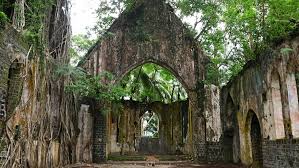
The next major chapter in the history of the Andaman and Nicobar Islands began when European explorers arrived. The British were the first to show serious interest in these islands. During the 18th century, they recognised the strategic importance of the islands for expanding their control over the Indian Ocean.
In 1789, the British established a settlement at Port Cornwallis on Chatham Island, near Port Blair, to use it as a naval base and penal colony. However, due to diseases and harsh conditions, the settlement was soon abandoned. Later in 1858, after the First War of Indian Independence, the British reestablished their control and set up a permanent penal settlement in Port Blair to imprison Indian freedom fighters.
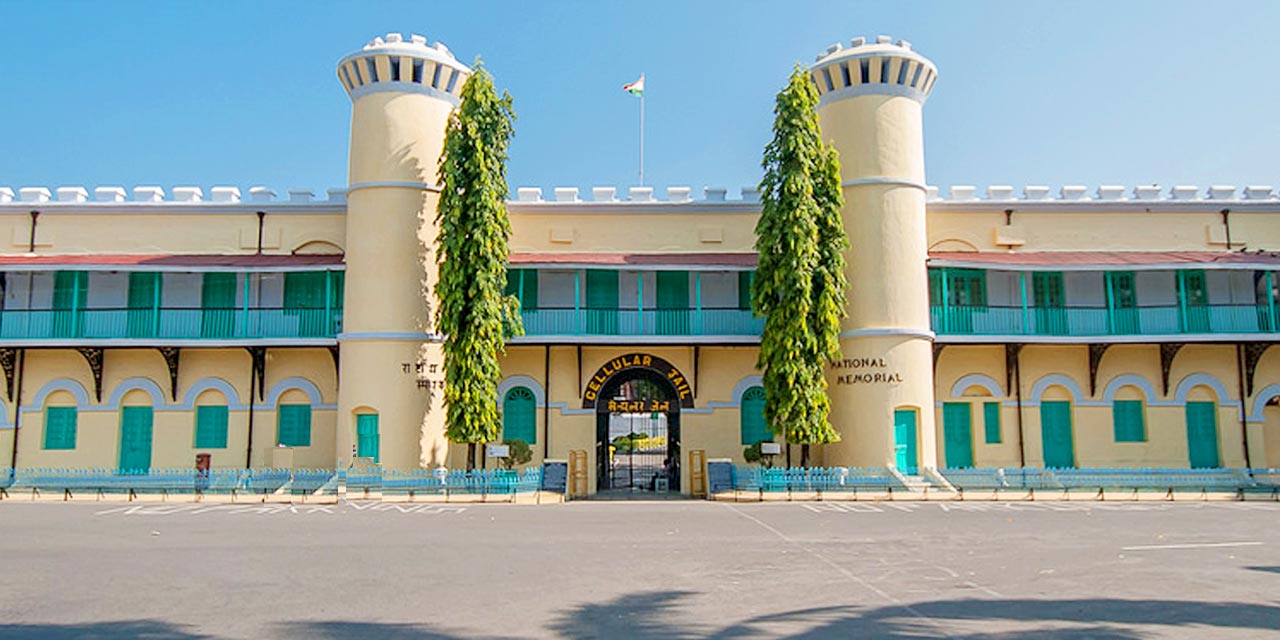
This penal colony later became infamous as the Cellular Jail, or Kala Pani. Thousands of Indian revolutionaries were imprisoned here, and the place became a symbol of India’s struggle for independence. The Cellular Jail today stands as a museum and a reminder of the sacrifices made for national freedom.
Life in the Cellular Jail
The Cellular Jail in Port Blair is one of the most prominent historical monuments in India. Each cell of this massive structure was built to keep prisoners in complete isolation. Many famous freedom fighters, including Veer Savarkar, were imprisoned and subjected to unimaginable hardships. The jail was designed to break their spirits and prevent them from communicating with the outside world.
Today, the Cellular Jail serves as a place of remembrance. Visitors from across India come here to pay tribute and learn about the freedom struggle. The light and sound show held at the jail tells the story of the prisoners and their courage in a moving and emotional way.
Japanese Occupation and World War II
During World War II, the Andaman and Nicobar Islands witnessed a turbulent phase. In 1942, Japanese forces invaded and took control of the islands from the British. The local population suffered under their rule, facing forced labour and severe conditions.
In 1943, the Japanese handed control to the Azad Hind Government led by Netaji Subhas Chandra Bose. It was a symbolic gesture of granting freedom to the islanders from British rule. Netaji visited Port Blair and hoisted the Indian national flag, marking one of the first acts of Indian governance outside the mainland.
However, the Japanese occupation ended when the British regained control in 1945 after Japan’s defeat in the war.
The Islands After Independence
When India gained independence in 1947, the islands became an official part of the Indian Union. Initially, they served as a refuge for people displaced from different parts of the country. The government encouraged settlement, development, and the growth of agriculture and fisheries.
In 1956, the Andaman and Nicobar Islands were declared a Union Territory of India. Port Blair became the capital and soon developed into a vibrant centre for administration and tourism. Over time, infrastructure improved, and electricity, education, and healthcare facilities reached even the remote islands.
Today, these islands are known for their unique blend of culture, peace, and nature. The government also ensures that the identity of indigenous tribes remains protected by restricting access to their habitats.
Cultural Heritage and Indigenous Communities
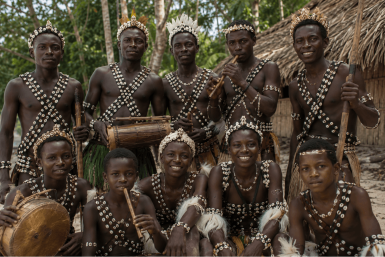
The Andaman and Nicobar Islands are home to rich cultural diversity. The indigenous tribes still preserve their traditional ways of life. Each tribe has a distinct identity, language, and customs. The Nicobarese have adopted modern livelihoods, while tribes like the Sentinelese maintain complete isolation from outsiders.
Cultural festivals, music, and food reflect the influence of settlers from Bengal, Tamil Nadu, and North India who made the islands their home. This mix of mainland and tribal cultures makes the Andaman and Nicobar unique.
Tourists can see glimpses of island life, historical monuments, and local handicrafts that tell stories of a diverse past and present.
Modern Developments and Tourism Growth
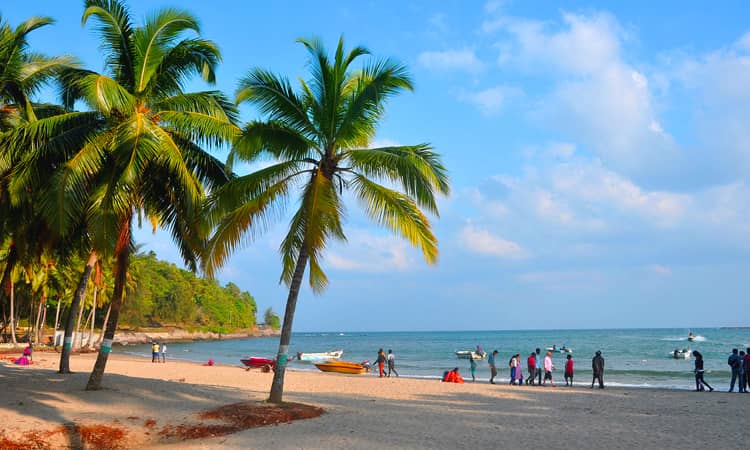
In recent decades, the Andaman and Nicobar Islands have become one of the most loved tourist destinations in India. Popular spots include Radhanagar Beach, Havelock Island, Neil Island, and Ross Island, all known for their natural beauty and coral reefs.
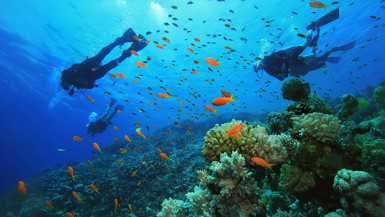
Eco tourism and sustainable tourism have been promoted to preserve the environment. Many visitors come to learn the history of the Andaman and Nicobar Islands while enjoying water sports, scuba diving, and underwater adventures.
The region now has improved air connectivity and modern hotels that welcome thousands of tourists each year. The government’s focus on conservation ensures that development happens responsibly without harming the delicate ecosystem.
Why Understanding the History Matters
Knowing the history of the Andaman and Nicobar Islands helps travellers appreciate their beauty and resilience. These islands are not just beach destinations but living museums of culture, courage, and natural harmony. Each place, from the Cellular Jail to Ross Island, tells a story that adds meaning to every visit.
Travellers often look for reliable guidance while planning their trips. Understanding historical and cultural backgrounds makes the journey more meaningful, ensuring that tourism also contributes to preserving heritage.
Plan Your Perfect Historical and Cultural Journey with a Trusted Partner
If you are planning to explore the Andaman and Nicobar Islands, it helps to travel with experts who know the region deeply. A guided experience ensures you discover not only the stunning beaches and coral reefs but also the centuries-old stories behind them.
With Andaman Bliss, you can explore the famous Cellular Jail, walk through Ross Island, visit pristine beaches, and learn about the island’s indigenous culture. The team at Andaman Bliss helps travellers design trips that balance relaxation and education, making every journey memorable.
For anyone who dreams of combining history, adventure, and natural beauty, the Andaman and Nicobar Islands are the ideal choice. Contact us for friendly guidance on planning your itinerary, choosing the best places to explore, and discovering the real story behind these islands. It is not just a visit but a chance to step into a living timeline where the past meets the present in the most unforgettable way.