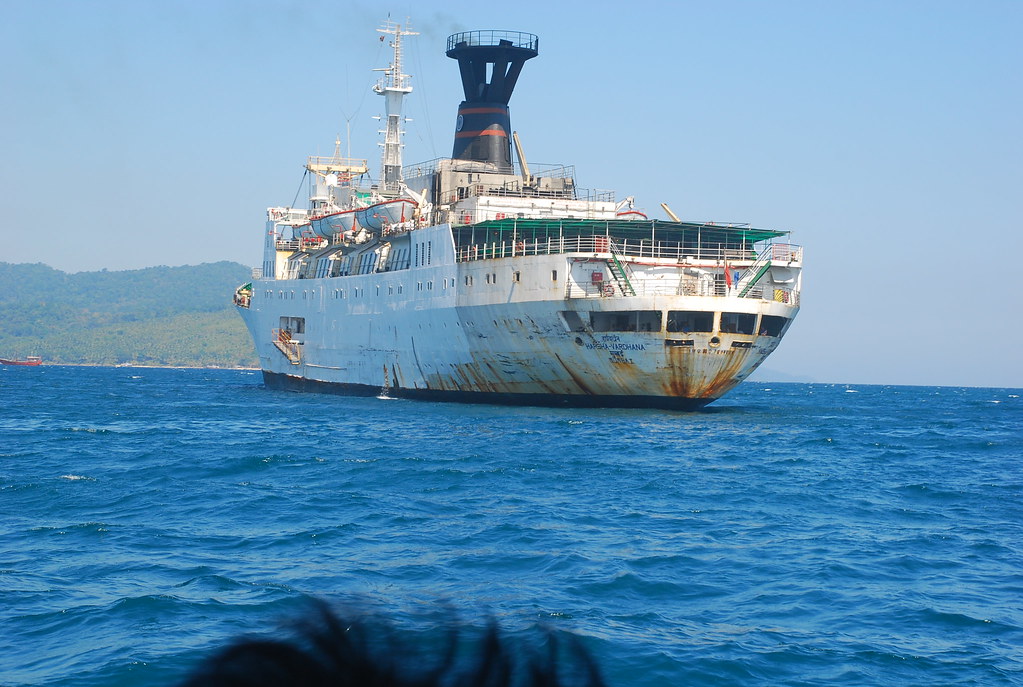
How To Plan an Andaman Trip By Ship
Embarking on an Andaman trip by ship transforms ordinary travel into an extraordinary maritime adventure that few modern travellers experience. While most tourists rush to book flights, spending mere hours in cramped aeroplane seats, savvy travellers discover that the sea route to Andaman offers something special - a journey that becomes as memorable as the destination itself.
Imagine trading the stress of airport security lines for the gentle rhythm of ocean waves, exchanging tiny aeroplane windows for panoramic deck views, and replacing hurried connections with three days of maritime serenity. This comprehensive guide reveals everything about planning your perfect ocean journey to these tropical islands, from securing those elusive ship tickets to maximizing every moment of your seafaring adventure.
Understanding The Magic Of Ship Travel To Port Blair
The passenger ship to Andaman experience begins long before you spot the emerald islands on the horizon. Picture yourself standing on the deck at dawn, watching flying fish leap alongside your vessel while the mainland slowly disappears into morning mist. This three-day voyage across the Bay of Bengal creates memories that last forever, offering a rare opportunity to disconnect from digital life and reconnect with the timeless rhythm of the sea.
Many travellers choose the government ship to Andaman for practical reasons too. You can carry up to 40 kilograms of luggage without extra charges, perfect for extended stays or bringing diving equipment. Compare this to airlines charging hefty fees for anything over 15 kilograms. The affordable ship travel to Andaman costs significantly less than flights, leaving more budget for island activities like scuba diving certifications or island hopping adventures.
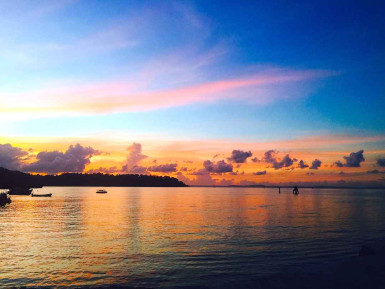
The journey itself becomes a mini-retreat. Watch dolphins race alongside the ship during afternoon sessions on deck. Witness spectacular sunsets painting the sky in impossible colours. Experience the camaraderie of fellow travellers sharing this unique adventure. These moments simply don't exist in the sterile environment of air travel.
Selecting Your Departure Port And Route Options
Your Andaman ship voyage starts from one of three strategic ports along India's eastern coastline, each offering unique advantages for different travellers. The Chennai Port to Andaman route remains the most popular, with ships departing approximately every ten days throughout the year. This southern gateway serves travellers from Tamil Nadu, Karnataka, Kerala, and beyond, making it accessible for those exploring South India's temple trails or Kerala's backwaters before heading to the islands.
The MV Harshavardhana and MV Nicobar vessels operate this route, carrying up to 1,200 passengers across various classes. The 60-hour journey from Chennai covers approximately 1,190 nautical miles, crossing some of the Bay of Bengal's calmest waters. Morning departures typically mean arriving in Port Blair during daylight hours, perfect for immediate hotel check-ins.
The Kolkata Port to Andaman connection appeals to passengers from West Bengal, Odisha, and northeastern states. Ships from this historic port follow ancient trade routes dating back to the British colonial era, adding cultural significance to your journey. The 66-hour voyage covers roughly 1,255 nautical miles, often encountering pods of dolphins and occasionally whale sightings during migration seasons.
Meanwhile, the Vizag to Port Blair ship provides convenient access for travellers from Andhra Pradesh and central India, though sailings are less frequent - typically once monthly. This 56-hour journey spans 1,200 nautical miles through waters known for spectacular bioluminescent plankton displays on moonless nights. Each route offers distinct advantages: Chennai voyages often have calmer seas, while Kolkata departures might encounter more marine life. Vizag trips sometimes include stunning sunrise views over the Eastern Ghats before entering open waters.
Mastering The Ship Ticket Booking Process
Successfully securing your Andaman ship reservation requires strategy and timing that rivals getting concert tickets for popular bands. The Shipping Corporation of India releases tickets exactly 30 days before departure through their STARS (Ship Ticketing and Reservation System) at designated counters. Set multiple alarms because popular dates, especially during winter holidays and summer vacations, sell within hours.
Visit designated booking counters early morning - ideally reaching by 8 AM when counters open at 9 AM. Chennai has counters at the Shipping Corporation Building on Rajaji Salai, while Kolkata's counter operates from the SCI House on Strand Road. Vizag bookings happen at the Port Trust Building. Bring original identity documents (Aadhaar, Passport, or Voter ID), photocopies, and two passport photos for each traveller.
The ship booking for Andaman travel process still relies heavily on physical presence, though online verification through the DirectorateOfShipping.gov.in portal speeds up counter transactions. Foreign nationals need additional clearance, so apply at least 45 days in advance. Consider booking return tickets simultaneously to ensure availability - a common mistake sees travellers stranded when return ships fill up. During peak season (October to March), ships operate at full capacity both ways.
Pro tip: Join local travel forums and WhatsApp groups where experienced ship travellers share real-time updates about ticket availability and queue situations at booking counters.
Decoding Ship Classes And Onboard Amenities
Your Andaman cruise ship offers various accommodation levels suiting different budgets and comfort needs, each providing a unique travel experience. Deluxe cabins provide hotel-style rooms with attached bathrooms, perfect for honeymooners or elderly travellers seeking privacy. These air-conditioned spaces include comfortable beds (not bunks), fresh linens, towels, complimentary meals served in exclusive dining areas, and sometimes even small refrigerators for personal use.
First-class cabins accommodate four passengers with bunk beds and shared washroom facilities located nearby. These cabins feature reading lights, power outlets, and small storage lockers. The atmosphere here encourages social interaction while maintaining reasonable privacy through curtained bunks. Families often book entire cabins for themselves.
Second class offers larger dormitories with 8-10 berth arrangements and basic amenities at budget-friendly prices. Separate sections for men and women ensure comfort for solo travellers. Clean shared bathrooms are maintained regularly, and the open layout creates opportunities for cultural exchanges with fellow passengers.
Bunk class represents the most economical option, with rows of three-tier beds in common halls accommodating up to 100 passengers. Young backpackers often prefer this class for its vibrant community atmosphere and rock-bottom prices. Despite basic facilities, the experience of sleeping under the stars on deck (when weather permits) becomes a highlight for many budget travellers.
Regardless of class, all passengers access to common areas, including the canteen serving South Indian, North Indian, and Chinese cuisine, a medical centre with qualified doctors, and most importantly, the scenic upper decks perfect for sunrise yoga or evening stargazing sessions.
Essential Preparation For Your Ocean Journey
Smart packing enhances your ship journey to the Andaman Islands significantly, turning potential discomfort into smooth sailing. Layer your luggage strategically: keep a daypack with 72 hours of essentials easily accessible, as reaching your main luggage in cargo holds during the journey proves difficult. Include prescription medications (with extras in case of delays), basic toiletries, entertainment options like books or downloaded podcasts, and comfort items within reach.
Stock up on dry snacks, instant noodles, biscuits, and packaged foods matching your dietary preferences. Ship canteens serve simple but tasty meals - expect dishes like idli-sambar for breakfast, rice-dal-vegetable curry for lunch, and chapati-sabzi for dinner. However, having familiar foods helps during rough weather when appetite dwindles. Reusable water bottles save money since bottled water costs more on board - fill up at designated RO water stations.
Electronics need special attention for the journey. Bring multiple power banks as charging points remain limited, especially in economy classes where hundreds share few outlets. Download offline content beforehand - movies, music, e-books, and offline maps of Andaman - since internet connectivity disappears once you leave coastal waters. A good camera captures incredible ocean sunsets, dolphin sightings, and fellow travellers' joy.
Don't forget comfort items: inflatable neck pillows, eye masks, earplugs for sound sleep, comfortable walking shoes for deck strolls, light jackets for evening winds, and flip-flops for easy bathroom access. Seasickness bands, ginger candy, and basic first-aid supplies prove invaluable.
Navigating Life Aboard Your Vessel
Your Port Blair ship travel days follow predictable rhythms that soon feel natural. Mornings start with loudspeaker announcements around 6 AM, followed by tea service and breakfast calls. Spend daylight hours on deck reading, socializing with fellow passengers, practicing photography, or simply gazing at endless blue horizons that merge seamlessly with the sky.
Meal times transform into social events where travellers share stories, tips about island attractions, and sometimes home-cooked snacks brought aboard. You'll meet everyone from honeymooning couples to solo backpackers, from families on annual vacations to traders making regular supply runs. These interactions often lead to travel partnerships for island explorations.
Afternoons might bring dolphin sightings that send everyone rushing to railings with cameras. Flying fish provide endless entertainment as they glide above waves. Some passengers organize informal activities - chess tournaments, antakshari sessions, or yoga classes on deck. The ship library, though modest, offers books about Andaman history and marine life.
Evenings bring magical moments as the sun dips below the water in spectacular displays. The ship community often gathers for informal entertainment. Some passengers organize card games in the recreation room, others share musical talents with guitars or harmonicas brought along. These organic connections often lead to lasting friendships and WhatsApp groups that stay active long after the journey.
Night brings different experiences based on your class. Cabin passengers enjoy privacy for quiet reading or early sleep. Bunk class creates dormitory-style camaraderie with late-night conversations about travel dreams. The gentle ship movement usually promotes deep sleep, though light sleepers should pack earplugs for snoring neighbours and engine sounds.
Managing Seasickness And Health Concerns
Even experienced travellers sometimes face seasickness during Andaman sea travel, but proper preparation minimizes discomfort significantly. Start taking motion sickness medication one day before departure - don't wait until you feel queasy. Popular brands like Avomine or Dramamine work well when taken preventively. Natural alternatives include ginger tablets, candied ginger, or ginger tea available in the canteen.
Choose lower deck accommodations if prone to motion sensitivity, as higher locations experience more movement. Mid-ship positions offer the most stability. During rough patches, focus on the horizon line while on deck - this helps your brain reconcile conflicting motion signals. Stay hydrated with small, frequent sips rather than large quantities. Avoid heavy, greasy meals during rough weather; opt for dry crackers, toast, or plain rice instead.
The ship's medical officer handles minor health issues from their well-equipped clinic. Common treatments include seasickness injections for severe cases, basic pain relief, and first aid for minor injuries. However, serious conditions might require returning to port or helicopter evacuation in extreme cases. Travel insurance covering maritime journeys provides essential financial protection.
Carry a comprehensive first aid kit including bandages, antiseptics, personal medications, electrolyte powders for dehydration, antacids for upset stomachs, and basic pain relievers. Those with chronic conditions should bring double their regular medication quantity, splitting between carry-on and checked luggage.
Optimizing Your Arrival And Island Transfers
Your ship docks at Phoenix Bay Jetty in Port Blair early morning, typically around 6 AM, marking the end of your maritime adventure and the beginning of island explorations. Disembarkation takes considerable time as immigration authorities check the documents of over 1,000 passengers. Have your return tickets, accommodation bookings, and identification ready for inspection. The process usually completes by 9 AM for cabin class passengers, later for economy classes.
Pre-arranged transfers save significant hassle after the long journey. Many hotels provide complimentary pickup services when requested during booking. Alternatively, government buses (routes 2 and 4) connect the port to Aberdeen Bazaar, Port Blair's commercial centre, running every 30 minutes from 6:30 AM. The journey takes about 20 minutes and costs just 10 rupees.
Taxis and auto-rickshaws queue outside the port gates for convenient transportation. Current rates from Phoenix Bay to Aberdeen Bazaar range from 150-200 rupees for autos and 300-400 rupees for taxis. Download offline maps beforehand to avoid confusion about routes and ensure fair pricing.
Rest on your first day rather than rushing to attractions - your body needs time adjusting from constant ship movement to solid ground. Many experience "land sickness" - a swaying sensation that persists for hours after disembarkation. Use this adjustment day for essential tasks: permit collection for restricted areas, ferry bookings to Havelock and Neil Islands, and gathering local information from tourism offices.
Creating Your Perfect Island Itinerary
With your sea legs steady and administrative tasks complete, explore Port Blair's fascinating historical sites that narrate India's freedom struggle. The Cellular Jail National Memorial deserves a full morning, especially the moving Light and Sound show that runs in Hindi (5:30 PM) and English (6:45 PM), depicting prisoners' sacrifices. Allocate three hours minimum for the jail complex, including the museum showcasing torture devices and freedom fighters' belongings.
The Anthropological Museum reveals indigenous tribal cultures through respectful displays of tools, photographs, and cultural artefacts. Understanding these communities enhances your appreciation for the islands' complex social fabric. Chatham Saw Mill, Asia's oldest operational sawmill, offers insights into the timber industry's colonial legacy.
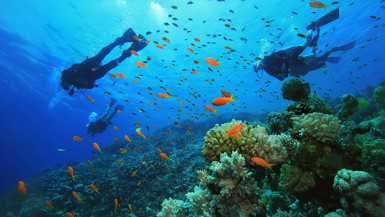
Plan Havelock Island (officially Swaraj Dweep) for pristine beaches and world-class water sports. Radhanagar Beach consistently ranks among Asia's best, offering two kilometres of white sand perfect for sunset walks. Elephant Beach provides excellent snorkelling just 20 metres offshore, where parrotfish, angelfish, and sea turtles thrive among coral gardens. Book ferry tickets immediately upon arrival as the five daily services sell quickly, especially the convenient morning departures.
Neil Island (Shaheed Dweep) provides a quieter alternative with unique natural rock formations at Howrah Bridge and relaxed vibes at Bharatpur Beach. The island's compact size allows bicycle exploration, creating intimate encounters with local life. Ross Island showcases haunting colonial ruins overtaken by Ficus roots, creating an apocalyptic atmosphere perfect for photographers.
Budget Planning For Ship Travel Adventures
Calculate your Andaman ship package costs comprehensively to avoid surprises. Ship tickets range from 2,000 rupees for bunk class to 8,000 rupees for deluxe cabins per person one way. Add 500 rupees for port taxes and handling charges. Book return journeys simultaneously to lock in prices and ensure availability.
Onboard expenses stay minimal with smart packing. Canteen meals cost 50-150 rupees: breakfast (poori-bhaji or dosa) around 50 rupees, lunch/dinner thalis 100-150 rupees. Tea/coffee costs 10-15 rupees. Packaged snacks and cold drinks match city prices. Budget travellers often spend less than 500 rupees total during the entire voyage by bringing their own snacks.
Island expenses vary dramatically based on choices. Budget accommodations in Port Blair start around 800 rupees for basic rooms, while beachfront properties in Havelock command 5,000+ rupees. Government ferries between islands cost 300-500 rupees versus 1,000+ for private operators. Local restaurants serve delicious meals for 150-300 rupees compared to resort dining at 500+ rupees per person.
Activity costs require separate budgeting: scuba diving (3,500-4,500 rupees per dive), snorkelling trips (500-1,500 rupees), glass-bottom boat rides (1,000-1,500 rupees), and kayaking (500-1,000 rupees per hour). Many beaches charge nominal entry fees (30-50 rupees) for maintenance.
Seasonal Considerations For Maritime Travel
The October to February window offers ideal conditions for Andaman ship travel timing, with the northeast monsoon retreating and the tourist season beginning. Calm seas minimize discomfort while clear skies enhance ocean views throughout the journey. December and January see maximum tourist traffic, demanding bookings but rewarding with perfect weather - temperatures hovering around 23-30°C with gentle breezes.
March through May bring warmer temperatures (28-35°C) but generally smooth sailing conditions. Fewer tourists mean easier bookings and better prices across accommodations and activities. The summer heat feels pleasant with ocean breezes, though carry extra sunscreen for deck time. This period offers excellent underwater visibility for diving and snorkelling.
Monsoon months from June to September challenge even experienced sailors with unpredictable weather. The southwest monsoon brings rough seas, causing frequent cancellations or delays. Ships may postpone departures based on weather warnings from the Indian Meteorological Department. If travelling during these months, build buffer days into your schedule and purchase comprehensive travel insurance. However, dramatic skies, empty beaches, and off-season rates appeal to some adventurous souls who don't mind itinerary flexibility.
Making Ship Travel Accessible For Everyone
Families with children find ships surprisingly accommodating compared to restrictive airplane travel. Kids enjoy the novelty of ship life while parents appreciate space for movement during the long journey. Pack activity books, colouring supplies, card games, and tablets loaded with offline content. Choose cabin accommodation for easier management and privacy during naptime. The ship's open decks provide safe areas for children to burn energy under supervision.
Senior travellers often prefer the ship travel's gentle pace over hurried flights. The gradual journey allows better acclimatization to climate change. Book deluxe or first class for attached bathrooms and comfortable beds. Ship staff typically assist elderly passengers with courtesy, helping with luggage and providing wheelchairs at ports. Carry all medications in the original packaging with prescriptions.
Differently abled travellers should communicate specific needs during booking. While facilities remain basic compared to modern cruise ships, staff generally provide helpful support. Ground-floor accommodations and accessible bathrooms exist in higher classes. Some ships have elevators between decks, though not all areas remain wheelchair accessible. Travel companions can assist with mobility challenges.
Sustainable Tourism Through Sea Travel
Choosing ships over flights reduces your carbon footprint significantly - maritime transport produces 40 times less CO2 per passenger-kilometre than aviation. Your eco-friendly Andaman travel choice supports sustainable tourism while providing authentic experiences. Ships carry essential supplies to islanders alongside tourists, from construction materials to daily groceries. Your journey directly supports local communities through this vital lifeline.
Practice responsible tourism during your voyage. Avoid throwing anything overboard - even biodegradable items harm marine ecosystems. Participate in onboard cleanliness drives that environmental groups occasionally organize. Carry reusable water bottles, cloth bags, and metal straws to minimize plastic waste. Your responsible behaviour sets examples for fellow travellers and future generations.
Support local businesses upon arrival instead of international chains. Choose family-run guesthouses, eat at local restaurants, and buy handicrafts directly from artisans. This approach ensures tourism benefits reach grassroots levels while providing authentic cultural experiences.
Connecting With Local Expertise
While ship travel adds adventure, navigating island logistics benefits from local knowledge and connections. Andaman Bliss understands the unique challenges ship travellers face, from unusual arrival times to energy levels after three days at sea. Their experienced team coordinates ground arrangements considering these factors, ensuring smooth transitions from ship to shore.
Their services include arranging early morning port pickups, regardless of actual arrival time, tracking ship schedules for delay updates, and adjusting island bookings accordingly. They provide seasickness remedies overlooked by standard travel agencies and honest advice about weather-dependent activities. This local support transforms good trips into great memories through insider knowledge of hidden beaches, best snorkelling spots, and authentic dining experiences away from tourist traps.
Your Andaman Ship Adventure Awaits
Planning an Andaman trip by ship opens doors to extraordinary experiences that flight travellers miss entirely. The journey itself becomes a cherished memory alongside island explorations - from spotting dolphins at sunrise to sharing stories with fellow travellers under starlit skies. Each phase offers unique rewards: the anticipation while booking tickets, the excitement of boarding day, the meditative ocean crossing, and finally, the joy of reaching these pristine islands.
Whether seeking budget travel options or craving unique adventures away from mainstream tourism, ship travel delivers both. The slow pace encourages mindfulness while the ocean's vastness inspires introspection. These elements combine to create vacations that refresh both body and spirit in ways modern travel rarely achieves.
Ready to begin your maritime adventure to the Andaman Islands? Andaman Bliss stands ready to assist with friendly guidance throughout your planning process. Contact their team for personalized tips, updated ship schedules, and support from booking to beach. Let them help transform your ship travel dreams into an unforgettable reality that you'll reminisce about for years to come.
Frequently Asked Questions!
Can pregnant women travel on ships to the Andaman?
Ships allow pregnant women until their seventh month with a medical fitness certificate from a registered practitioner. Consult your doctor before booking, especially if experiencing morning sickness. First-trimester and third-trimester travel is generally discouraged due to seasickness risks and limited medical facilities for emergency deliveries.
What happens if ships get cancelled due to weather?
The Shipping Corporation provides full refunds for weather cancellations, processed within 15 working days. They try accommodating passengers on the next available sailing, though peak season alternatives fill quickly. Travel insurance helps cover additional accommodation costs during delays. Always have backup plans during the monsoon season.
Are pets allowed on Andaman ships?
Currently, passenger ships don't allow pets in any class due to hygiene and safety regulations. Special cargo arrangements might be possible for permanent relocations, but not tourist travel. Consider professional pet care services at home rather than attempting to bring animals on vacation.
How early should we reach the port before departure?
Arrive at least 4 hours before the scheduled departure for a smooth check-in. Counter queues build up quickly, especially during holidays. Check-in counters close 2 hours before sailing. Early arrival ensures adequate time for security checks, luggage handling, and settling into accommodation. Port areas get extremely crowded near departure times.
Do ships have mobile network coverage?
Network coverage exists until about 50 kilometres from the coast - roughly 2-3 hours into the journey. After that, you're completely disconnected for 48+ hours until approaching Port Blair. Inform family about this communication gap to avoid worry. Some ships have satellite phones for emergencies only, charging 50-100 rupees per minute for critical calls.